
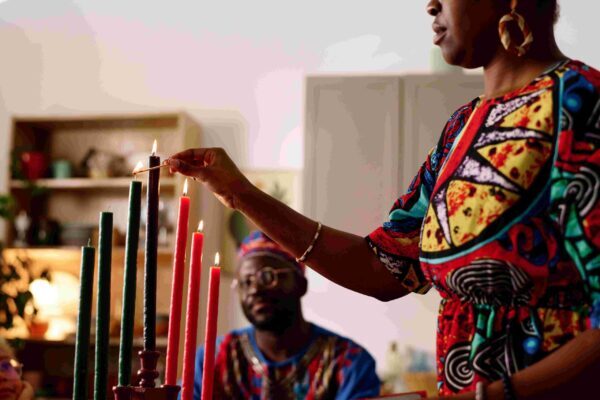
Every year, Muslims around the world await the arrival of Ramadan, a month of prayer, fasting, and generosity. In Ghana, where about 20 percent of the population is Muslim, this period changes the usual rhythm of life. During the day, the streets become quieter, and in the evenings, the cities come alive with the sounds of prayers, the aromas of treats, and festive gatherings. For local communities, Ramadan is a deep-rooted social tradition that brings families and neighbors together.
History and significance
Islam came to the territory of modern Ghana in the 11th–12th centuries along with Sahelian traders. Today, Muslim communities are particularly numerous in the north of the country, as well as in the major cities of Accra, Tamale, and Kumasi. Ramadan and the holiday of Eid al-Fitr (known here as Sallah) have become part of the cultural calendar of the entire country, transcending religion.
For believers, this is a time of spiritual cleansing. From early morning until sunset, Muslims refrain from food and water and devote more time to prayer and reading the Quran. But Ramadan in Ghana is also a social phenomenon: during this time, the spirit of solidarity and mutual aid is particularly strong.
Evening rhythm
Special attention is paid to the moment when the fast is broken. Iftar, known in Ghana as breaking fast, becomes an event in itself. In Accra and other cities, the streets come alive an hour before sunset: young people hand out treats to drivers stuck in traffic, and neighbors share ready-made meals with each other.
In the north of the country, Tuo Zaafi, a corn dish with a thick sauce, is traditionally prepared. In cities, waakye rice, sweet flatbread, and hot ginger tea are served.
Interestingly, coffee also has a special place here. The streets are filled with the aroma of strong “Ramadan coffee,” a street drink served directly to passersby in plastic cups. It has become an integral part of the evening ritual, a symbol that sharing means observing Ramadan correctly.
Preparations for Eid al-Fitr
The last day of Ramadan in Ghana is called Sallah. Preparations for it begin in advance. Women visit salons to have their hair done or decorate their hands with henna designs. Young people save money for new clothes, as it is important to look elegant for the holiday.
In Accra and Tamale, tens of thousands of people gather for Eid prayers. Squares are filled with families dressed in white, bright, and traditional clothes. After prayers, the fun begins: some go to visit relatives, while others organize street parades and concerts.
Charity as a duty
Ramadan in Ghana is also a time when the focus is on helping those who are less fortunate. Zakat al-Fitr (obligatory alms at the end of the month) is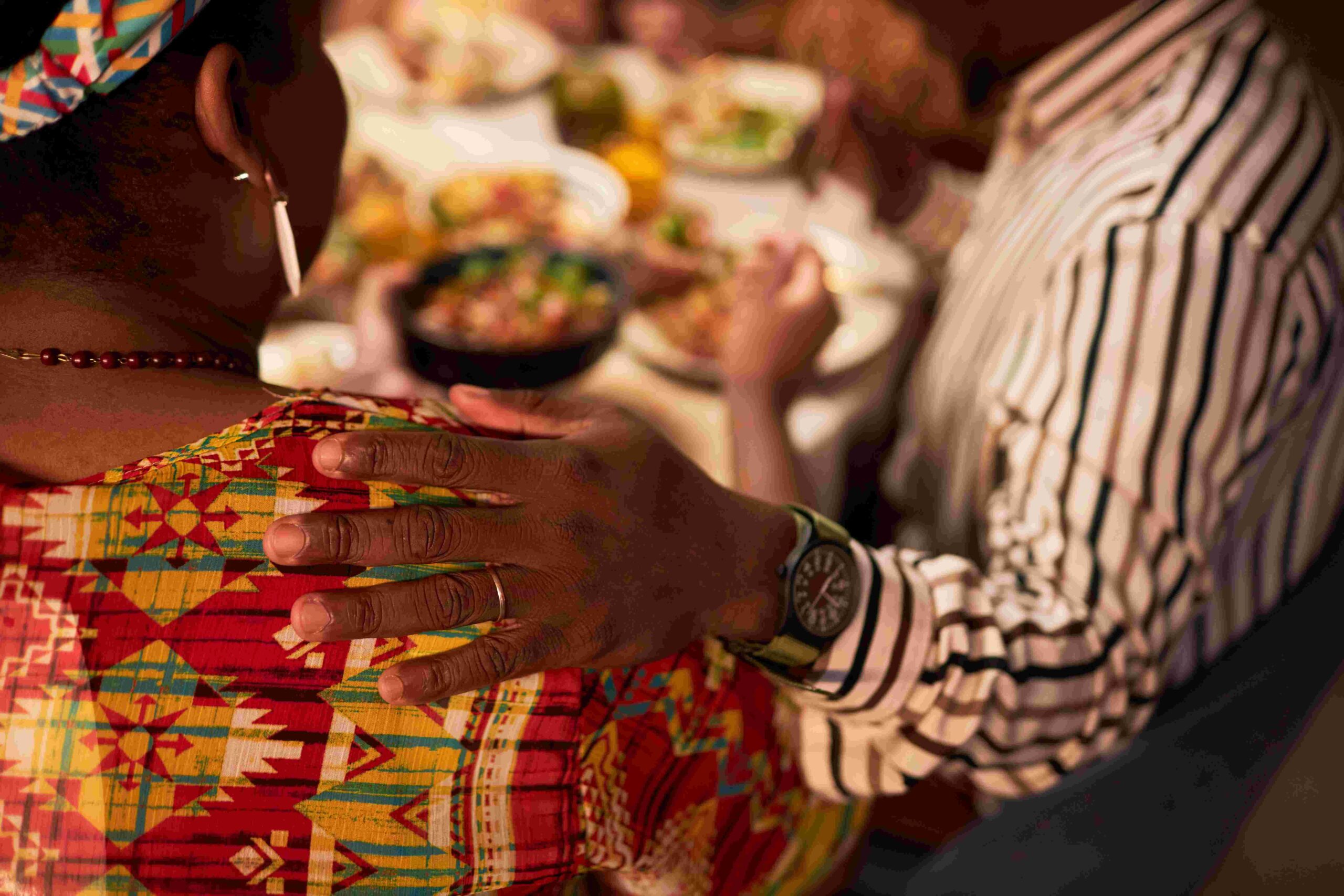 paid in cash or food. In cities, this often takes the form of bags of rice, sugar, and oil, which are distributed to poor families.
- Mosques collect donations for those in need.
- Youth organizations prepare food packages.
- Wealthy families invite their neighbors to their homes so that no one goes hungry.
This tradition reinforces the feeling that Ramadan is a time of equality and community.
Ramadan in Ghana has long gone beyond a purely religious practice. For the whole country, it is part of the cultural landscape. Even non-Muslims participate in festive meals, and state leaders congratulate believers on the end of fasting.
Seasonal goods appear in the markets: sweets, fabrics, decorations. For small businesses, this period brings additional income. And for families, it becomes a time for reunions, when even distant relatives come home.
Ramadan for Ghana
The history of Ramadan in Ghana shows how a religious tradition becomes part of a national identity. It combines faith, culture, and social responsibility. The Eid al-Fitr holiday has become a symbol of the country’s appreciation of diversity and respect for different communities.
For young people, Ramadan is a time to remember their roots, and for the older generation, it is an opportunity to pass on values to their children. This combination of spiritual and cultural elements is the main strength of Ramadan in Ghana.
Ramadan in Ghana is about the generosity of neighbors, treats in the streets, long-awaited reunions, and the joy of celebration.
Every year, this month changes the rhythm of life in the country, making it more united. And while a single tree in Ualevale has become a symbol of agricultural hope, Ramadan remains a symbol of spiritual renewal that unites millions of people.
Comments are closed