
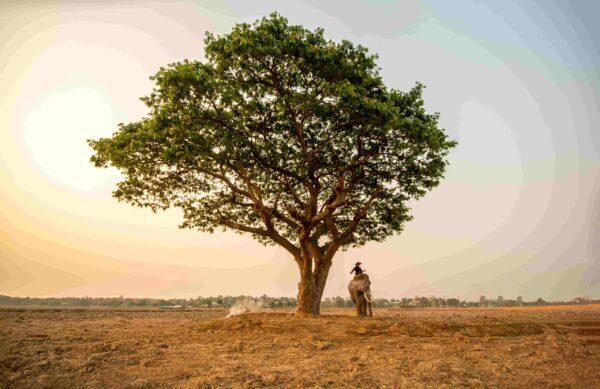
The story of the first date fruit tree in Walewale became a real sensation throughout the country. For a long time, it was believed that northern Ghana was completely unsuitable for growing dates. The region’s climate is harsh, with dry periods, sudden temperature changes, and limited water resources. The climate left no hope that Phoenix dactylifera would be able to bear fruit.
However, one tree proved otherwise. It took root and has already yielded three harvests. For local residents, this event has become a true symbol of hope that the north of the country is capable of growing crops that were considered alien to this land.
The date palm is native to the Arab world. There it thrives and has been a staple of the diet for centuries. In Morocco, Egypt, and Saudi Arabia, entire regions live off the trade in dates. Therefore, the success in Walewale is seen as a sign. If the tree was able to adapt here, it means that new horizons are opening up for local farmers.
It is also important that the tree bears fruit according to a special pattern (once every two years). This cycle is probably related to climatic conditions. But even this interval does not diminish the importance of the harvest. Each time, the fruits are picked with special care, because this is a product that used to have to be imported from abroad.
Finally, the very fact that date fruit is grown in Ghana is changing perceptions of the country’s agricultural potential. If what was once considered impossible is now possible in a small village, then new discoveries can be expected in other regions as well.
Social significance
Dates have a deep cultural significance. They have become an important product for Muslims, especially during Ramadan, when they are traditionally eaten to break the fast. Having their own dates in northern Ghana opens up new opportunities for religious practices and traditions.
But it’s not about culture only. Dates are expensive in Ghanaian markets because they are usually imported from Morocco or Egypt. Therefore, the emergence of a domestic date fruit crop in Ghana could change the situation and reduce dependence on imports.
Biology of the date palm
Phoenix dactylifera, known as date fruit, belongs to the Arecaceae family. The tree begins to bear fruit 4–8 years after planting. The fruits are oval in shape and similar in size to a palm nut. When ripe, they turn yellow and then darken. They can be eaten fresh or processed into syrups, pastes, or desserts.
The people of Walewale saw this as the start of a new era. They hope that if date palms can adapt, they can be grown on a large scale.
Potential economic impact
The prospect of growing date fruit in Ghana offers a bunch of benefits: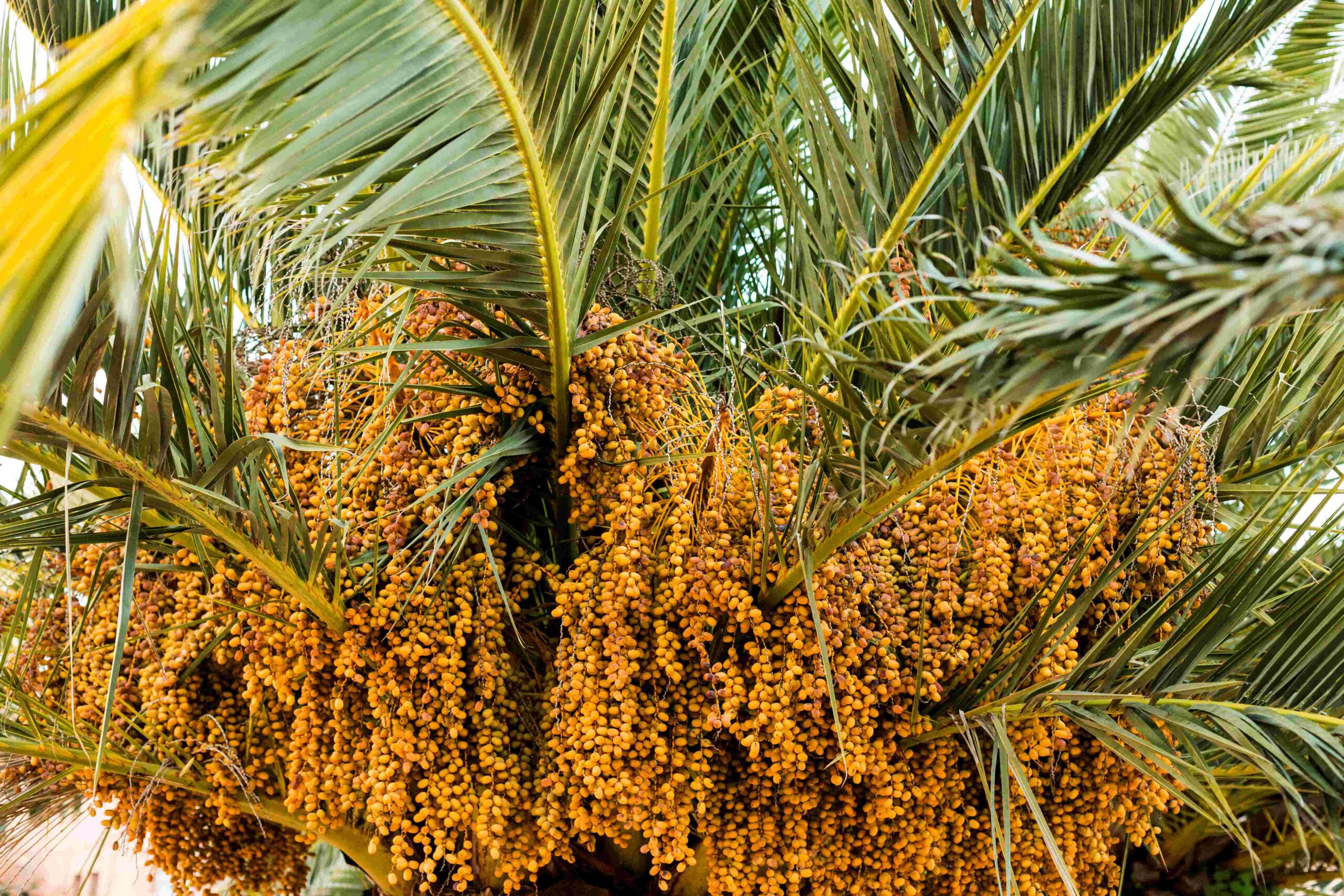
- Lower import costs;
- New jobs in the agricultural sector;
- Additional sources of income for families;
- The emergence of small businesses related to fruit processing.
This is especially important for the north of the country, where the choice of crops is limited.
Historical parallels
Similar cases have already occurred in other African countries. In Sudan and Niger, date palms have also gradually adapted to the climate and begun to bear fruit. Success in Walewale could be the first step toward repeating this path in Ghana.
The story of the first date fruit in Ghana shows that even a single tree can change the mood of an entire region. If the government supports local initiatives and gives farmers a chance to experiment with planting, the north of the country could gain a new driver of growth. And then the story of a small village will turn into the beginning of a major agricultural project.
Conclusion
Date fruit in Ghana is now a reality. The date palm in Walewale has proven that climatic barriers can be overcome. Now the country has a chance for a new source of food and income. A small tree has become a prominent symbol, and a whole field of opportunities is opening up for farmers.
Comments are closed